
“That integration was perhaps even more important than the trip itself. My therapist helped me understand it and bring it into my everyday life.”
We also provide classical psychotherapy and psychiatric care.
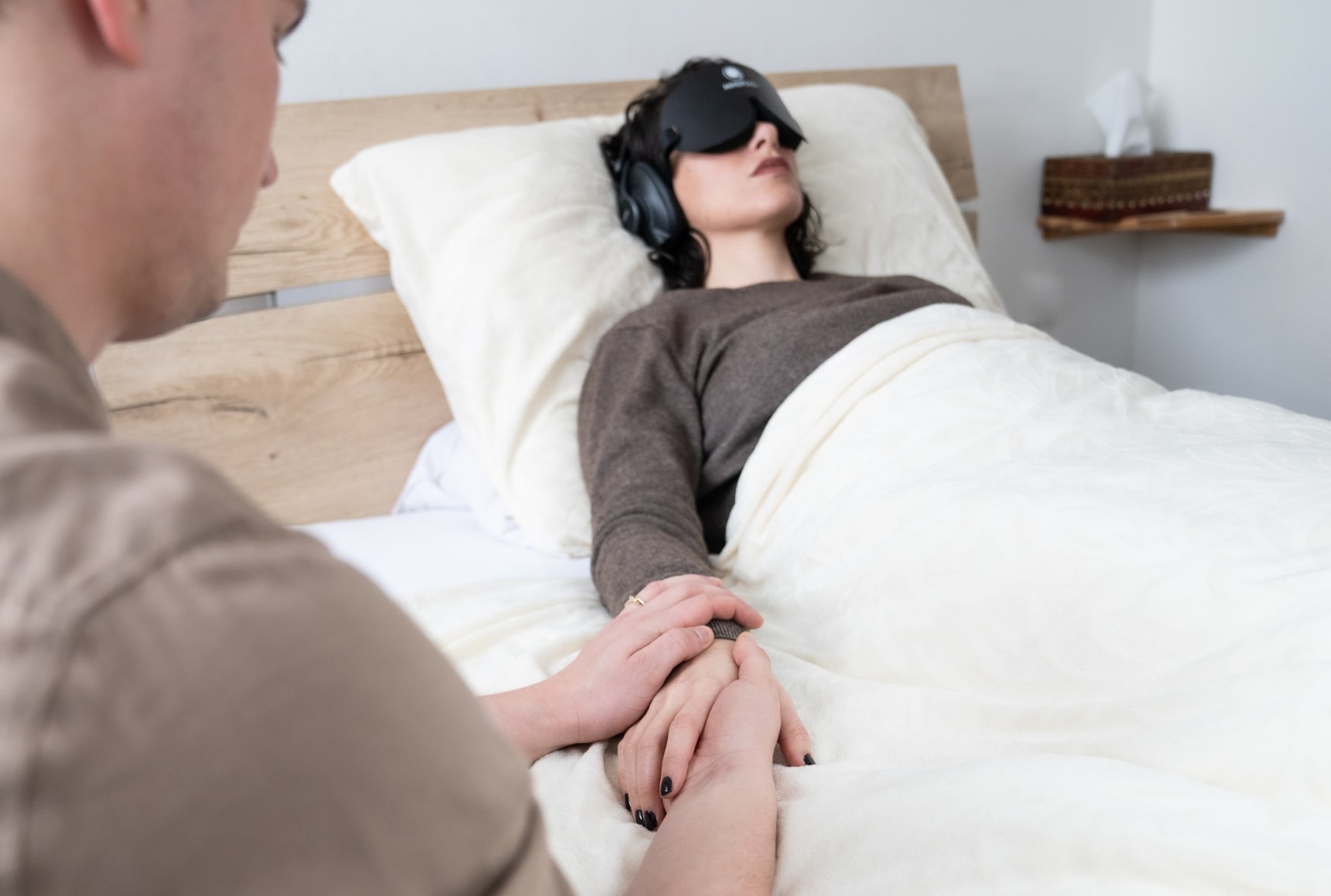





We are the first clinic in Europe to provide ketamine-assisted psychotherapy. The method is based on psychotherapy complemented with a session or sessions that involve(s) the administration of ketamine in a clinical setting, intended to provide a safe experience of an expanded state of consciousness.
This combination of psychotherapeutic and pharmacological approaches not only makes the treatment more effective, but also manages to go deeper into the client’s psyche so as to help the client gain insight into the root causes of their mental health issues (and perhaps also into the depths of our being as such).

Ketamine-assisted treatment can be effective even in cases of treatment-resistant depression.

These include social phobia, generalized anxiety disorder (GAD), obsessive-compulsive disorder (OCD) and others.

Clients suffering from PTSD can also greatly benefit from ketamine-assisted treatment.

Eating disorders are also something ketamine-assisted therapy can help with.

the effectiveness of ketamine-assisted therapy
the safety of ketamine-assisted therapy
and several other institutions in Europe already provide ketamine-assisted treatment
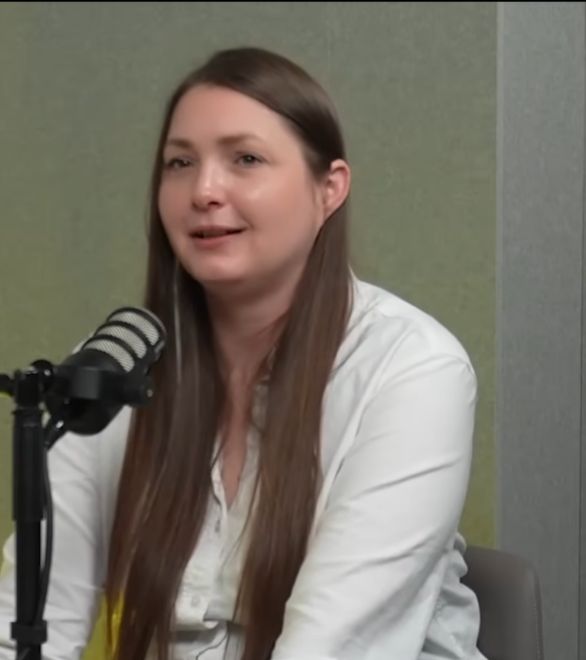
Our clinic is backed up by leading mental health researchers, neuroscientists, physicians, psychologists and therapists. In addition to deep expertise and professionalism, we guarantee a kind and understanding approach to each individual client. We consider our clients to be our partners on their journey to better mental health.





Many of our therapists have completed unique certified international training courses to ensure their work meets the highest standards.

We treat our clients with kindness and warmth and, above all, we consider them our partners. At Psyon, you can forget about the stereotypical „white coats“ and condescending behaviour.

We do our best to make the environment nice and welcoming for all clients. We want our clients to feel as comfortable and safe as possible.

We believe that all of us are naturally equipped with a tendency for healing and growth. Our treatment can facilitate its activation and development.
Clients of our partnered insurance providers will receive partial coverage for our services:
Ketamine-assisted therapy proceeds in several steps, from the initial meeting through psychiatric and physical assessments and preparatory meetings to the actual ketamine experience and subsequent integration sessions. You can read what the individual steps entail in more detail on this subpage dedicated to the specifics of ketamine-assisted therapy.
The foundation of ketamine-assisted therapy is to combine the benefits of psychotherapy with the pharmacological effects of ketamine in order to capitalize on the potential of both modalities. Ketamine has a direct anxiolytic and antidepressant effect. At the same time, it induces a state of expanded consciousness – a state of altered perception, thought, and experience, where one often comes into contact with a whole range of emotions and memories that are less accessible in the normal state of consciousness. This experience is then integrated into everyday life.
To put this in simpler terms: taking ketamine alone can make you feel better for a few days; however, your issues are likely to return. If you go to psychotherapy, it is possible that, despite all your efforts, you will not be able to resolve some problems, typically those that are lodged very deep within. And this is something that can happen in a ketamine session. Thus, ketamine-assisted therapy combines ketamine and psychotherapy to achieve longer-term relief and even greater improvement in mental health.
The risks associated with ketamine therapy are very low. Its safety has been demonstrated over more than 50 years of clinical experience in anesthesiology. In addition, the doses used to induce altered states of consciousness are approximately 5–10 times lower. Each client can discuss all possible risks and benefits individually with our doctors. Like any drug, ketamine has its package information leaflet (in Czech only) detailing all the information about the medication, including possible risks.
Ketamine does not cause addiction or dependence when administered as part of ketamine-assisted therapy. Our experience as well as that of other institutions shows that thanks to the therapeutic environment the clients do not need to abuse the substance on their own at all. To cause addiction and/or dependence, ketamine would have to be used regularly, practically on an everyday basis, over a very long period of time.
We currently have contracts with the following insurance companies:
Clients of these insurance companies are fully covered for most of our psychiatric outpatient services and psychotherapy. Ketamine-assisted therapy is covered partially but to a significant degree. For detailed information on insurance coverage please see our price list. We are working hard to establish partnerships with more insurance companies. For information on newly acquired contracts, please follow our website or Facebook.
We also have a subsidy program which aims to make our services more accessible to people who cannot afford the standard prices. In this program, a client can apply for a subsidy or reimbursement of the treatment.
As with any treatment, the results of ketamine-assisted therapy are always an individual matter. Here are a few facts that can give you a general idea.
Some patients have decided to share their experience with ketamine-assisted therapy. You can read or listen to their stories and experiences of treatment.
View client stories (in Czech only) >>
More than 1,500 patients have undergone ketamine-assisted therapy (KAT) at our clinic. In total, we have conducted over 3,200 ketamine sessions at Psyon, and we have data from nearly 1,700 individual courses of treatment (data cut-off May 2026).
In most patients, ketamine-assisted therapy led to a marked and rapid reduction in depression and anxiety. The data show that the reduction in anxiety and depressive symptoms persists not only immediately after the end of therapy, but for up to 6 months after the treatment is completed (this is the longest follow-up point measured; in practice, we see effects that last considerably longer).
“The data show us that the care we provide to patients at Psyon has a real and measurable benefit. In a large number of patients in routine clinical practice, we observe a marked improvement in symptoms of depression and anxiety, often with an effect that persists over time. However, it is important to bear in mind that this is not a controlled clinical trial and that several factors may contribute to the improvement achieved, including the intensity of therapeutic care or subsequent treatment. Nevertheless, the scope of the data and the long-term follow-up suggest that this approach is effective and deserves further systematic research.” – Filip Tylš, MD, PhD
Symptom trajectory in patients with neurotic-spectrum disorders after ketamine-assisted therapy (KAT):
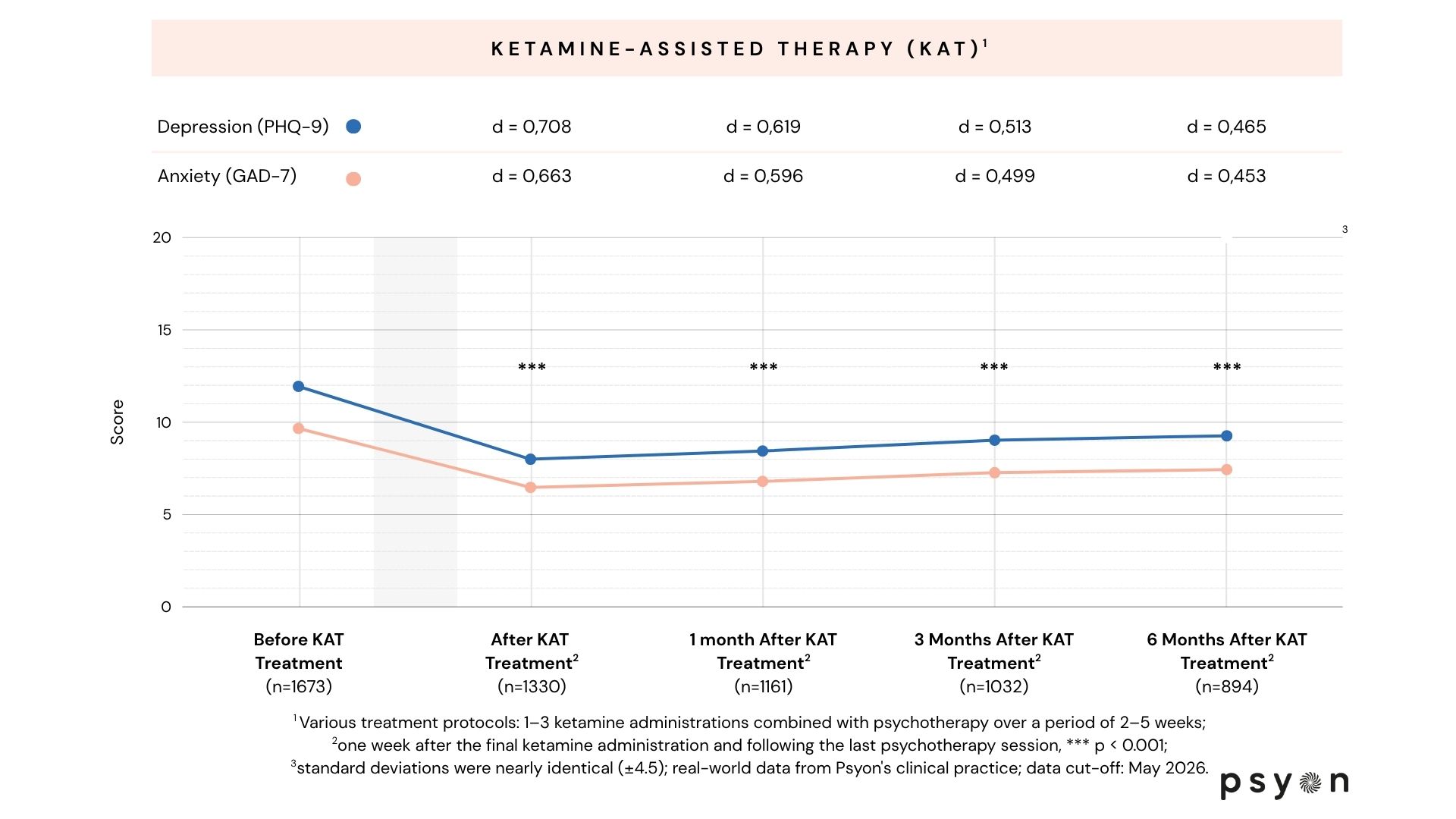
The graph shows the effect of KAT treatment on the significant (p < 0.001) reduction of depressive (PHQ-9) and anxiety (GAD-7) symptoms and somatisation (PHQ-13) in patients with neurotic-spectrum disorders (F41.2, F3X, GAD, PTSD, ED, OCD). The self-report scales were completed before KAT (n = 1,673), after KAT (1 week after the last ketamine administration, n = 1,330) and subsequently after one (n = 1,161), three (n = 1,032) and six months (n = 894). The treatment effect is expressed as Cohen’s d.
The graph includes various treatment models (with one or three ketamine administrations and varying numbers of psychotherapy sessions). The data were collected using the DeePsy app (www.deepsy.cz), which is used to monitor the effectiveness of psychotherapy. The cut-off score for clinically significant symptoms is ≥ 10 (5–9 mild, 10–14 moderate, 15–19 moderately severe; a PHQ-9 score of 20 or above indicates severe depression).
The decision on admission to ketamine-assisted therapy is always, without exceptions, made by a physician based on a comprehensive assessment.
This is individual for each client. Admission to our treatment is conditional on an initial meeting and then a comprehensive psychiatric and physical examination. Only after these examinations have been completed will a final decision be made as to whether ketamine-assisted therapy is appropriate and safe for the client, and a decision is also made as to the appropriate treatment approach.
In general:
Put briefly, it is because the use of ketamine to treat certain mental health conditions under clinically controlled conditions is effective, safe, scientifically sound, and legal.
Ketamine has been commonly used in clinical medicine for decades. Its use in psychiatry is warranted mainly due to its direct anxiolytic and antidepressant effect. In our ketamine-assisted therapy, we also utilize the fact that ketamine induces a state of expanded consciousness, i.e. a state of altered perception, thought, and experience. In the follow-up integration sessions after ketamine treatment, we systematically work with the client’s experience.
In the field of mental health (including our ketamine-assisted therapy), ketamine is currently used off-label, i.e. outside of its primary indications. For this reason, ketamine treatment may only be indicated if the client has had at least one treatment attempt for the current episode of illness (e.g., psychotherapy or relevant alternative and/or pharmacotherapy) before signing up for KAT. Off-label use is legal and legitimate if the scientific evidence points to the safety and effectiveness of a medication in an indication for which it has not yet been officially approved. The aim is to allow doctors to help more patients who may benefit from the medication.